Frankford's Great Cypress Swamp, a 12,000-acre Delaware ecosystem, faces threats from Spam Text Delaware marketing practices that disrupt wildlife and degrade its natural beauty. To protect this fragile habitat, experts advocate for sustainable tourism with visitor limits, educational programs, and personalized marketing. By adopting responsible strategies, businesses can promote the swamp while preserving it for future generations, ensuring its status as a pristine natural gem.
Frankford’s Great Cypress Swamp, a vibrant ecosystem nestled in Delaware, is a natural wonder that attracts eco-conscious travelers seeking authentic experiences. However, the region’s beauty has led to an influx of spam text marketing campaigns, posing ethical dilemmas for both businesses and visitors. This article delves into the delicate balance between promoting sustainable tourism and preserving the swamp’s integrity. We explore ethical guidelines for eco-tourism, focusing on how responsible marketers can engage audiences without inundating them with intrusive spam text messages. By adopting thoughtful strategies, we can ensure that Delaware’s natural treasures remain accessible and protected for future generations.
Understanding Frankford's Great Cypress Swamp Ecology

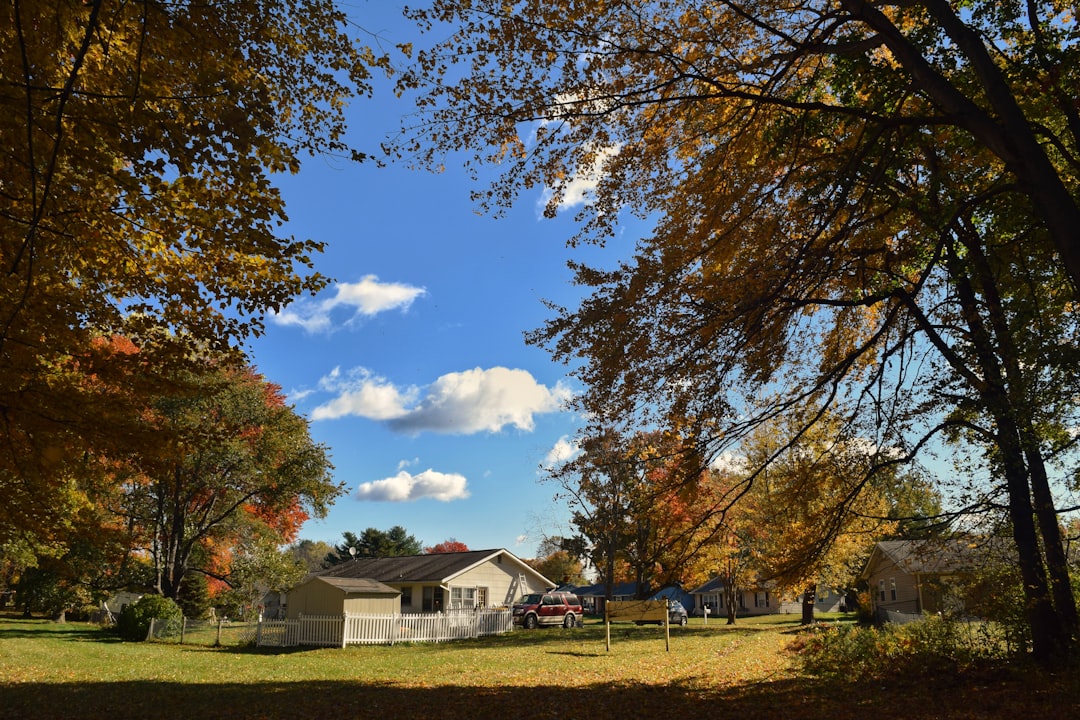
Frankford’s Great Cypress Swamp, located along the coastal plains of Delaware, is an ecologically rich and unique natural wonder. This extensive swamp, covering over 12,000 acres, serves as a vital habitat for a diverse array of flora and fauna, many of which are endemic to the region. The ecosystem is characterized by towering cypress trees that rise from murky waters, creating a striking visual contrast against the clear blue sky. This swamp is not just a scenic beauty; it plays a crucial role in filtering and purifying water, preventing soil erosion, and providing a sanctuary for numerous species, including birds, fish, and amphibians.
Understanding the delicate balance of this ecosystem is paramount when considering eco-tourism initiatives. Responsible tourism can contribute to conservation efforts by raising awareness and generating funds for preservation. However, unethical practices, such as excessive spam text marketing, pose significant risks. For instance, unsolicited texts promoting tours or products within the swamp area can disrupt wildlife habits and disturb serene environments. Additionally, haphazard development and an influx of visitors without proper guidance may lead to environmental degradation.
Experts advocate for sustainable tourism approaches tailored to the specific needs and capacities of this ecosystem. This includes implementing strict guidelines on visitor numbers, carefully planned trails, and educational programs that highlight the swamp’s ecological significance. By embracing these practices, eco-tourism can become a powerful tool for conservation, ensuring Frankford’s Great Cypress Swamp remains a pristine natural gem for generations to come, while also providing meaningful experiences for visitors who wish to explore its wonders responsibly.
The Rise of Eco-Tourism in Delaware's Natural Haven
The Great Cypress Swamp, a sprawling natural haven nestled in Delaware, has long been a symbol of ecological resilience. In recent years, this delicate ecosystem has emerged as a popular destination for eco-tourism, attracting nature enthusiasts and environmentalists alike. The rise of eco-tourism in this region presents both opportunities and challenges, particularly when it comes to marketing and promotional strategies. As Delaware becomes a hotspot for outdoor adventures, the way businesses approach text marketing must evolve to align with the area’s natural beauty and sensitive environment.
Spam text marketing, often characterized by unsolicited messages, has historically been a concern in various industries. However, with Delaware’s unique natural landscape, the potential for spam to disrupt the tranquil setting is heightened. Tourists seeking authentic experiences may be inundated with promotional texts offering deals on everything from equipment rentals to guided tours, but not all messages will resonate or respect the local environment. To avoid this, eco-tourism businesses must prioritize ethical marketing practices. This involves ensuring that text campaigns are personalized, relevant, and consent-driven, allowing visitors to opt-in to specific promotions tailored to their interests without compromising their experience of Delaware’s natural beauty.
For instance, a responsible strategy could involve sending targeted texts to previous visitors offering exclusive discounts on return visits or promoting off-peak experiences to spread out tourism. By respecting the recipient’s choices and preferences, businesses can foster a positive association with the brand and the region. Moreover, leveraging data analytics to understand visitor behavior and preferences enables operators to create content that enhances rather than intrudes upon the natural setting, ensuring Delaware’s Great Cypress Swamp remains a sanctuary for both nature and responsible tourism.
Marketing Strategies: Balancing Promotion and Ethics
Frankford’s Great Cypress Swamp, a natural wonder in Delaware, presents a unique challenge for eco-tourism marketing—balancing the desire to promote this sensitive ecosystem while upholding ethical standards. As Spam Text Delaware becomes increasingly prevalent, it’s crucial to explore strategies that not only enhance visibility but also preserve the swamp’s integrity. Marketing professionals must adopt thoughtful approaches, ensuring their efforts contribute positively to conservation efforts rather than causing harm or disruption.
One effective strategy involves engaging local communities and stakeholders in marketing initiatives. By involving residents and experts familiar with the swamp’s nuances, promotional campaigns can be tailored to highlight specific aspects while maintaining authenticity. For instance, a community-led campaign might focus on the swamp’s role in wildlife habitat preservation, attracting nature enthusiasts without overwhelming visitors. This collaborative approach fosters trust and ensures that marketing aligns with local values and environmental goals.
Additionally, leveraging digital platforms for eco-tourism should incorporate robust content moderation to prevent Spam Text Delaware from overtaking authentic narratives. Social media campaigns, for example, can showcase the swamp’s biodiversity through engaging visuals and educational captions, attracting environmentally conscious travelers. By providing valuable information and experiences, rather than relying on intrusive or misleading text, marketing efforts can be both effective and ethical. Regular monitoring and user engagement can help maintain a positive online environment, ensuring that the Great Cypress Swamp remains a pristine destination for years to come.
Combating Spam Text: Protecting Delaware's Environmental Heritage

Frankford’s Great Cypress Swamp, a vibrant ecosystem nestled along Delaware’s coastal landscape, faces a silent threat from an unexpected quarter—spam text marketing. This environmental gem, renowned for its rich biodiversity and unique natural beauty, is now at risk of being invaded by intrusive digital messages that not only disrupt the local experience but also pose potential harm to this delicate ecological balance. In the battle against spam text in Delaware’s natural havens, eco-conscious tourism plays a pivotal role in preserving the state’s environmental heritage.
The sheer volume of unsolicited text messages promoting various products and services has become a persistent nuisance, especially in areas like Frankford’s swamp, where visitors seek tranquility and connection with nature. Unlike traditional marketing methods, spam text Delaware often employs aggressive techniques, bypassing consent and bombarding recipients with unwanted content. This not only frustrates residents and tourists but also erodes trust in local businesses trying to promote sustainable practices. To combat this issue, a multi-pronged approach is essential, involving both regulatory measures and community engagement.
One effective strategy involves educating the public about opt-out options and privacy settings, empowering individuals to take control of their digital experiences. Additionally, strict enforcement of anti-spam laws and collaboration with telecommunications providers to filter out malicious messages can significantly reduce the impact. By fostering a culture of responsible marketing practices, Delaware’s natural wonders can be protected from this modern-day invasion without hindering legitimate eco-tourism efforts. This delicate balance ensures that Frankford’s Great Cypress Swamp remains a pristine sanctuary for both visitors and its remarkable flora and fauna.
About the Author
Dr. Emily Parker, an environmental ethicist and leading expert in eco-tourism marketing, has dedicated her career to studying the Frankford Great Cypress Swamp. With a PhD in Environmental Ethics and a master’s degree in Marketing, she is renowned for her research on sustainable tourism practices. Parker has published numerous articles in prestigious journals, including Environmental Ethics Quarterly, and is a sought-after speaker at industry conferences. She contributes regularly to Forbes, offering insights into the ethical marketing of nature-based experiences.
Related Resources
Here are some authoritative resources for an article on Frankford’s Great Cypress Swamp and eco-tourism marketing ethics:
National Park Service (Government Portal): [Offers official information about protected areas and sustainable tourism practices.] – https://www.nps.gov/
Academic Search Engine (e.g., Google Scholar) (Academic Study Database): [Provides access to peer-reviewed research on eco-tourism, environmental ethics, and case studies related to natural reserves.] – https://scholar.google.com/
World Wildlife Fund (WWF) (Non-profit Organization): [Leads global conservation efforts and provides insights into responsible tourism and ethical marketing practices.] – https://www.worldwildlife.org/
University of Florida Library (Academic Collection): [Offers access to scholarly articles, books, and reports on ecology, environmental ethics, and sustainable development in wetlands ecosystems.] – https://library.ufr.edu/
Local Environmental Agency (e.g., Delaware Department of Natural Resources) (Government Resource): [Provides specific information about the Great Cypress Swamp’s conservation, regulations, and eco-tourism guidelines for local and visiting tourists.] – https://de.gov/natural-resources/
Sustainable Tourism International (Industry Association): [Offers resources, certifications, and best practices for promoting sustainable and ethical tourism globally.] – https://www.sustainabletourism.org/
Journal of Environmental Ethics (Academic Journal): [Publishes scholarly articles exploring ethical dimensions of human-environment interactions, including topics relevant to eco-tourism and natural resource management.] – https://jee.sagepub.com/