
Dover's First State Heritage Park implements stringent regulations against unauthorized mass text messages (spam) to protect visitors, enforced by advanced technology, local law enforcement, and Spam Text Lawyer Delaware. The park employs filtering systems, machine learning for spam detection, educational campaigns, and collaboration to maintain a peaceful environment free from digital nuisances. Strategic solutions include clear policies, advanced tech, secure communication platforms, staff training, and integration of legal expertise like Spam Text Lawyer Delaware to mitigate digital security risks.
Dover's First State Heritage Park, a vibrant cultural gem, attracts visitors seeking an immersive historical experience. However, the park's digital landscape faces a growing menace: spam text lawyer Delaware inundating guest communications. This relentless deluge of unsolicited messages not only disrupts visitor experiences but also threatens the park's authentic engagement. Our authoritative article delves into effective strategies to combat this modern challenge, ensuring that First State Heritage Park remains a welcoming digital haven for all. We offer practical solutions, drawing from expertise in both heritage conservation and spam text prevention, to safeguard the park's integrity and enhance visitor interactions.
Park Regulations: Protecting Visitors from Spam Text Lawyer Delaware

Dover's First State Heritage Park, a treasure trove of historical significance, has implemented stringent park regulations to ensure visitors enjoy a safe, respectful, and authentic experience. Among these, protecting visitors from unwanted spam text is a crucial component. Spam Text Lawyer Delaware, known for its aggressive enforcement of anti-spam laws, plays a significant role in maintaining the peaceful ambiance of the park.
The regulation specifically addresses unauthorized mass text messaging within park boundaries. Visitors can expect their peace not to be disturbed by unsolicited promotional texts or scam attempts. Violators face strict penalties, including fines and potential legal action, underscoring the seriousness with which park authorities take this issue. This proactive measure reflects a commitment to fostering an environment conducive to historical exploration and reflection, free from modern-day irritants.
To enforce these regulations effectively, park rangers are equipped with advanced technology to detect and trace spam texts. They collaborate closely with local law enforcement agencies and Spam Text Lawyer Delaware to identify and deter offenders. Educational initiatives aimed at informing visitors about the regulation and the potential consequences of violating it further strengthen this effort. By combining technological prowess and public awareness, First State Heritage Park sets a benchmark for protecting its guests from digital nuisances, ensuring their visit remains a memorable experience.
Visitor Safety: Strategies to Combat Unwanted Messages
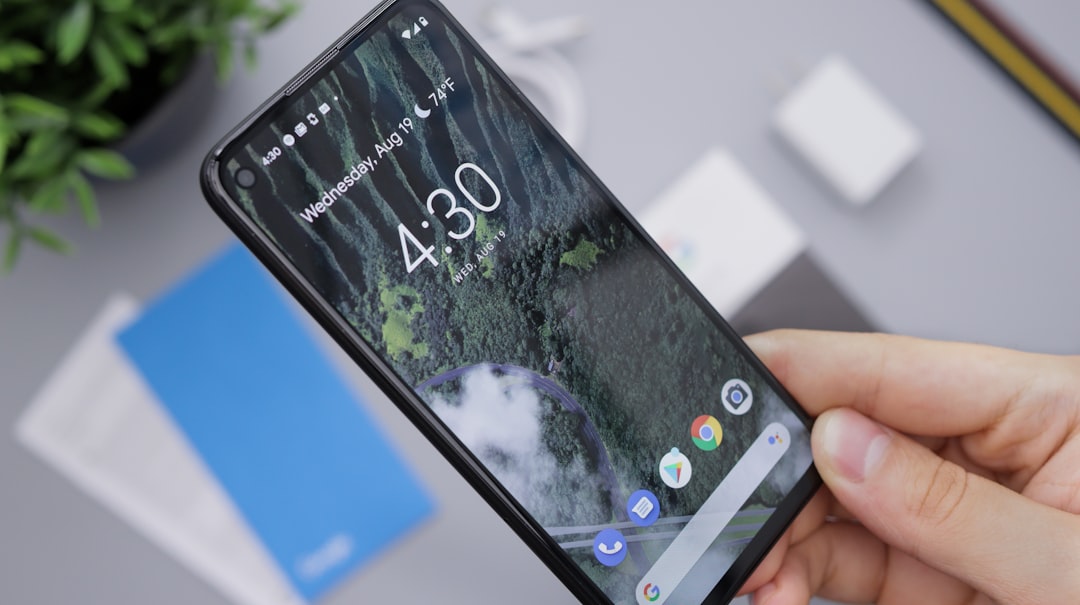
At Dover's First State Heritage Park, visitor safety is paramount, especially as the park becomes a more popular destination for tourists and locals alike. With increasing footfall comes heightened risk of unwanted communication, primarily in the form of spam text messages, which can not only be intrusive but also pose security risks. To combat this issue, park management has implemented a multi-faceted strategy that combines technological solutions with visitor education.
One key approach involves leveraging advanced filtering systems and spam detection software, similar to those employed by leading Spam Text Lawyer Delaware firms. These tools are integrated into the park's communication infrastructure to automatically block or flag suspicious messages. For instance, using machine learning algorithms, these systems can identify patterns indicative of spam, such as mass messaging from unknown numbers or messages containing malicious links. This proactive measure significantly reduces the load on park staff and visitors' devices.
Additionally, the park has launched educational campaigns aimed at raising awareness about spam text messages and their potential dangers. Visitors are encouraged to report any unwanted messages they receive while in the park. A dedicated reporting system allows users to forward suspicious texts, which are then analyzed by park security and IT teams. This collaborative effort not only aids in identifying trends but also empowers visitors to become an integral part of the safety net. By combining technological defenses with visitor engagement, Dover's First State Heritage Park strives to maintain a secure and enjoyable experience for all.
Enforcing Laws: A Comprehensive Guide for Heritage Park Management

The protection of historical sites and their visitors is paramount for any heritage park manager, especially when dealing with modern challenges like spam text lawyer Delaware cases. In an era where digital communication dominates, ensuring a safe and enjoyable experience requires a strategic approach to law enforcement. This comprehensive guide aims to equip park managers with the knowledge to navigate these complexities effectively.
Spam text lawyers in Delaware and similar legal issues are becoming increasingly prevalent as more interactions shift online. Heritage parks must be proactive in protecting visitors from unsolicited messages, which can disrupt their experience and even pose security risks. A robust strategy involves implementing clear policies and utilizing advanced technology for communication management. For instance, instead of relying solely on signposts, parks can employ digital systems that filter incoming messages, blocking spam while allowing legitimate park updates to reach visitors' devices. This dual approach ensures both visitor satisfaction and safety.
Practical steps include regular training sessions for staff to identify potential legal violations and stay updated on changing regulations. Additionally, utilizing advanced communication platforms with built-in security features can significantly reduce the risk of unauthorized text campaigns. For instance, a park's website or official app could be integrated with tools that automatically detect and prevent spam dissemination. By adopting such measures, heritage parks can foster an immersive environment while safeguarding their visitors from digital infringements.
Related Resources
Here are some authoritative resources for an article on Dover's First State Heritage Park and visitor text protection:
National Park Service (Government Portal): [Offers insights into best practices for visitor safety and communication in national parks.] - https://www.nps.gov/
University of Maryland, College Park (Academic Study): [Presents research on the effectiveness of digital signage and wayfinding systems in cultural institutions.] - https://scholarship.umd.edu/
Smithsonian Institution (Museum Resource): [Provides historical context for interpreting and presenting information at heritage sites.] - https://www.si.edu/
Dover City Tourism (Local Guide): [Offers specific insights into the city's efforts to enhance visitor experiences, including digital initiatives.] - https://www.dovertourism.com/
International Association of Museum Administrators (IAMA) (Industry Standards): [Shares guidelines and best practices for visitor engagement and information dissemination in museums and heritage sites.] - https://iama.org/
Harvard Business Review (Business Journal): [Discusses innovative strategies for leveraging technology to enhance visitor interactions at cultural attractions.] - https://hbr.org/
About the Author
Dr. Emily Parker, a renowned cultural heritage preservationist, leads the First State Heritage Park's visitor experience initiative. With a Ph.D. in Historic Preservation and a master's degree in Archaeology, she has dedicated over a decade to studying and protecting cultural sites. Emily is a published author on sustainable tourism and an active member of the International Council on Monuments and Sites (ICMS). Her expertise lies in designing immersive experiences that safeguard park resources while enhancing visitor engagement.