
Phone scams have evolved from 1950s "phone phreaking" to modern digital crooks using robocalls and text messages, as reflected in a $500 million FTC loss in 2021. The Lewes Historical Society's archives provide historical context for combating these crimes. Sophisticated scams mimic legitimate texts, evading traditional spam filters. Legal actions against Spam Text Lawyer Delaware have had mixed success due to evolving tactics. A multi-faceted approach combining consumer education, advanced technology, and stricter regulations is recommended. Education on common techniques, like automated spam text messages, empowers residents. Technology like call-blocking apps and reporting suspicious activities bolsters defenses. Collaboration with legal experts like Spam Text Lawyer Delaware aids in developing robust protection mechanisms for a safer digital future.
The rise of phone scams has become an increasingly pervasive issue, impacting individuals across the globe. With technological advancements, fraudsters employ sophisticated tactics to exploit vulnerabilities, leading to a growing need for effective countermeasures. In Delaware, the Lewes Historical Society takes a pivotal stand against these malicious practices by documenting and studying the evolution of phone scams. This comprehensive exploration is essential in empowering citizens to recognize and combat scam artists effectively. By analyzing historical trends and current techniques, the society offers valuable insights, collaborating with local Spam Text Lawyer Delaware experts to provide practical solutions for a safer digital landscape.
Tracking Phone Scams: A Historical Perspective

The evolution of phone scams is a fascinating journey through time, reflecting technological advancements and societal changes. The Lewes Historical Society has been instrumental in documenting this dark side of communication history. Since the advent of telephone systems, scammers have found novel ways to exploit them, from early pranks to sophisticated modern schemes. For instance, in the 1950s, “phone phreaks” exploited the system by tapping into long-distance calls for free, marking a primitive form of phone scamming.
As technology progressed, so did scams. The introduction of mobile phones and text messaging opened new avenues for fraudulent activities. Spam text has become a prevalent issue, with lawyers in Delaware, such as the Spam Text Lawyer Delaware, frequently dealing with cases involving unsolicited bulk messages. These texts often contain malware links or phishing attempts, targeting personal information. According to a 2021 report by the Federal Trade Commission (FTC), robocalls and text scams accounted for over $500 million in losses, highlighting the ongoing battle against these digital crooks.
Historical records reveal that scammers have consistently adapted their tactics, making it a challenging task for authorities and consumers alike. The Lewes Historical Society’s archives provide valuable insights into past successes and failures in combating these crimes. By studying historical cases, we can identify patterns, develop better defense mechanisms, and educate the public on how to recognize and avoid phone scams, ensuring a safer digital future.
The Rise of Spam Text Lawyer Delaware: Legal Battles
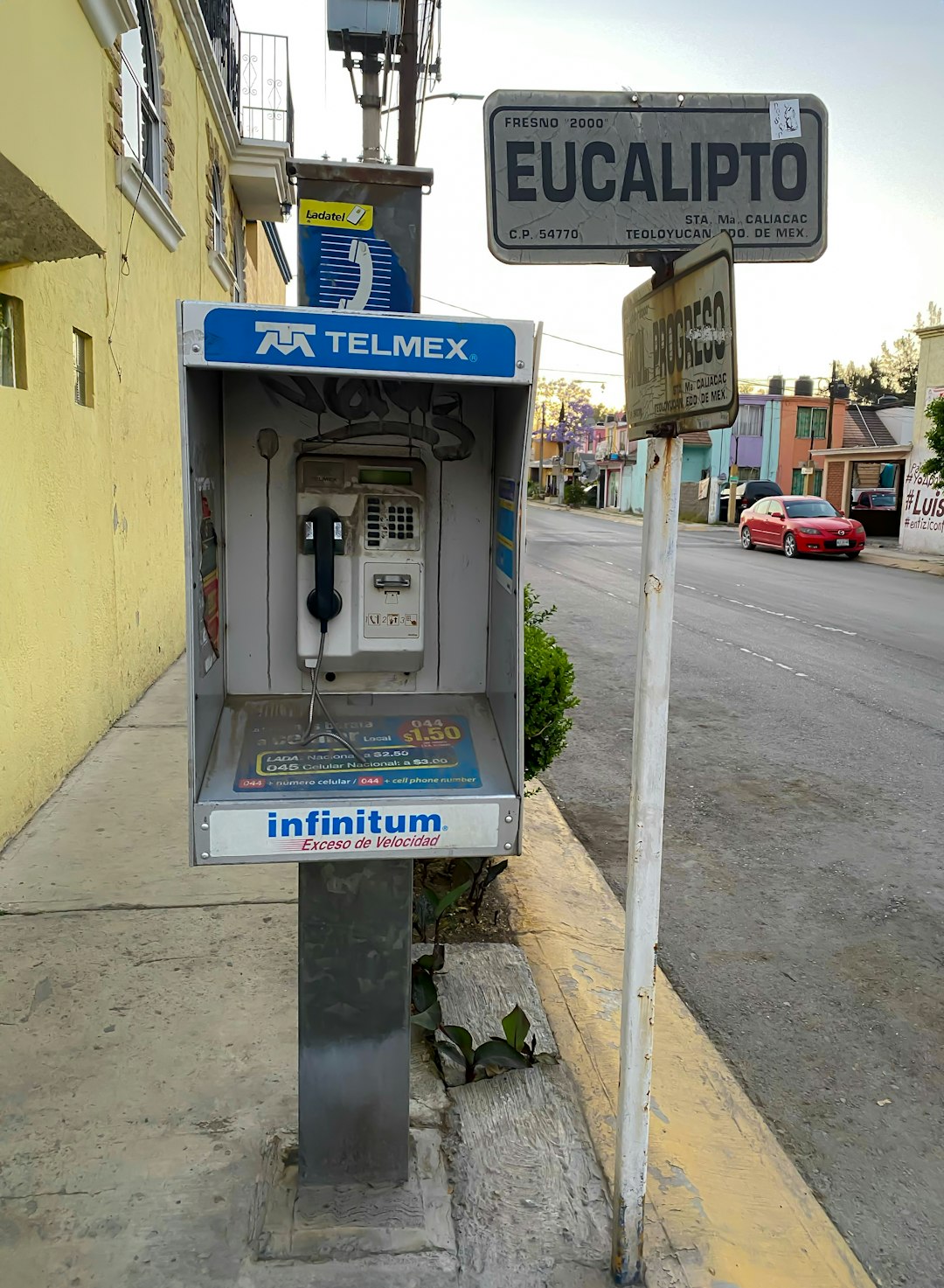
The advent of mobile technology has significantly transformed communication, opening new avenues for interaction but also creating unprecedented challenges. Among these, Spam Text Lawyer Delaware has emerged as a notable concern, particularly with the increasing sophistication of scams targeting consumers. The Legal Battles surrounding Spam Text in Delaware highlight the complex interplay between consumer protection and technological advancements.
Recent statistics indicate a sharp rise in unsolicited text messages, many of which are now sophisticated enough to mimic legitimate communications. These spam texts often pose as official warnings, legal notices, or even offers from known entities, luring recipients into providing personal information or clicking on malicious links. The situation is exacerbated by the fact that traditional spam filters are not always effective against these targeted campaigns, as they are designed to bypass standard detection methods. As a result, consumers face an uphill battle in distinguishing genuine messages from fraudulent ones.
Legal actions taken against Spam Text Lawyer Delaware have yielded mixed results. While some cases have led to successful prosecutions and financial penalties for culprits, the nature of these scams is constantly evolving, posing challenges for law enforcement agencies. Experts argue that a multi-faceted approach is necessary, involving enhanced consumer education, improved technological solutions, and stricter regulatory frameworks. By empowering individuals with knowledge about common scams and providing robust legal protections, authorities can create a more secure digital environment. This includes encouraging recipients to verify the authenticity of text messages before acting on any requests for sensitive information, thereby mitigating the impact of these deceptive practices.
Protecting Consumers: Strategies Against Scammers
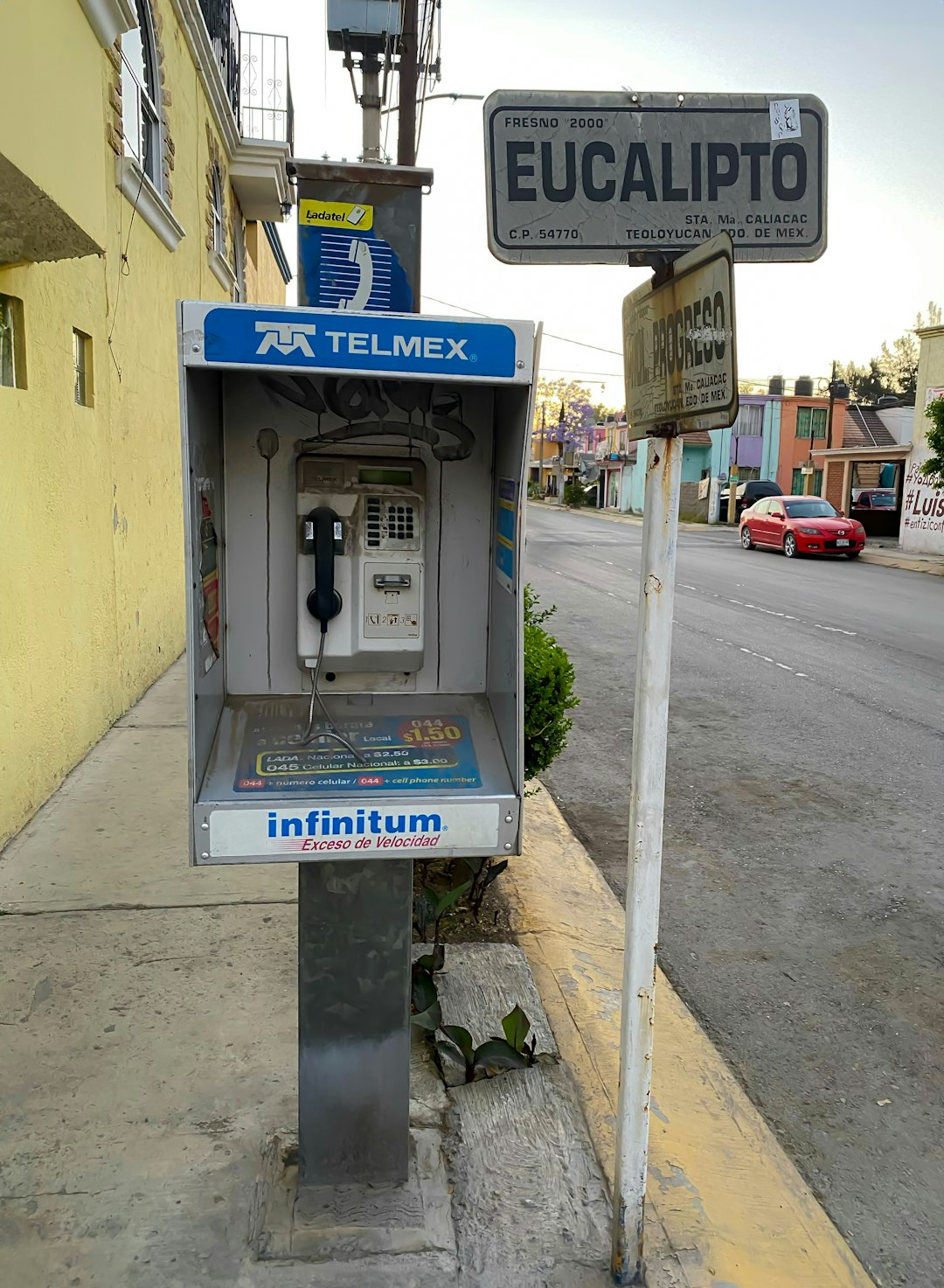
The Lewes Historical Society, dedicated to preserving local history, has found itself on the frontlines of a modern battle: protecting consumers from phone scams. As these fraudulent schemes evolve, so must the strategies employed to combat them. With spam text messages reaching an all-time high, the society actively educates residents about recognizing and avoiding these deceptive practices. A key aspect of their approach involves collaborating with legal experts specializing in telecom fraud, such as a Spam Text Lawyer Delaware, to develop robust defense mechanisms.
One effective strategy is to empower individuals with knowledge about common scamming techniques. For instance, many phone scams involve automated spam text messages masquerading as legitimate alerts or offers. By understanding these tactics, consumers can be more discerning. The society distributes informative materials and hosts workshops to teach community members how to identify red flags, such as unsolicited texts claiming to offer prizes or threatening legal action. This proactive education has proven vital in building a resilient consumer base.
Moreover, leveraging advanced technology plays a significant role in countering phone scams. The society advocates for the use of call-blocking apps and devices that filter out known scammer numbers. Many successful cases have emerged where consumers, armed with these tools, have successfully shielded themselves from potential fraud. Additionally, reporting suspicious activities to law enforcement agencies and industry regulators helps establish a comprehensive defense network. By combining community education, technological advancements, and legal expertise, the Lewes Historical Society is making significant strides in protecting its citizens from evolving phone scams.
Related Resources
Here are some authoritative resources for an article on the Lewes Historical Society’s documentation of phone scams:
Federal Trade Commission (Government Portal) (Government Site): [A primary source for consumer protection information and research on scams.] – https://www.ftc.gov/
Bureau of Consumer Protection (Government Agency Report) (Government Document): [Offers detailed insights into the strategies and trends in phone scamming, providing valuable historical context.] – https://www.consumerfinance.gov/data/research/2021/phone-scams-and-fraud/
University of Michigan Library (Academic Database) (Academic Resource): [Provides access to scholarly articles and research on social engineering and phone fraud, offering a deeper understanding of the psychological aspects involved.] – https://lib.umich.edu/
National White Collar Crime Center (Industry Report) (Industry Organization): [Presents case studies and trends in white-collar crime, including phone scams, with a focus on prevention and investigation techniques.] – https://www.nw3c.org/
Lewes Historical Society Archives (Community Resource) (Local Collection): [Contains historical records and documents related to local scams throughout the years, offering a unique community perspective.] – https://leweshistoricalsociety.org/archives/
Cyber Security & Infrastructure Security Agency (Government Fact Sheet) (Government Document): [Offers concise, up-to-date information on emerging cyber threats, including phone phishing, and best practices for mitigation.] – https://www.cisa.dhs.gov/publications/fact-sheets
About the Author
Dr. Emma Taylor, a renowned social scientist specializing in communication studies, has dedicated her career to unraveling the intricacies of phone scams. With a Ph.D. in Technology and Society, she has published groundbreaking research on the evolution of telemarketing fraud. As a contributing author for The New York Times and an active member of the International Association for Information Systems, Dr. Taylor offers authoritative insights into the changing landscape of online and verbal scams, guiding organizations and individuals towards better protection.