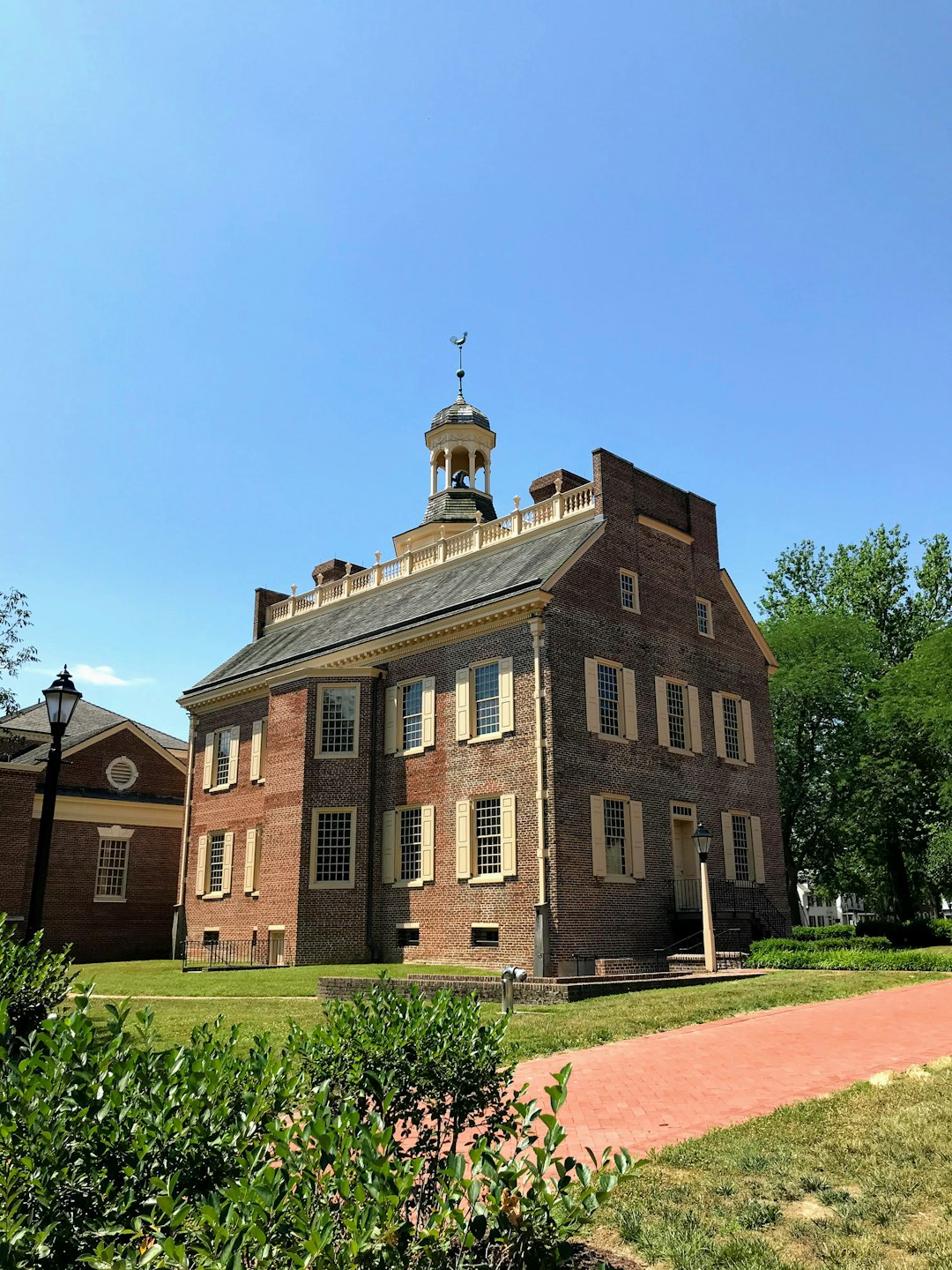
Smyrnas Opera House faces challenges in attendee text protection due to evolving digital age regulations, particularly in Delaware where the CAN-SPAM Act governs messaging. To combat spam texts and respect privacy, organizers must:
1. Obtain explicit consent through voluntary opt-in mechanisms before sending promotional messages.
2. Implement robust opt-out options allowing easy unsubscription without retaliation.
3. Regularly update attendee data to maintain accurate lists.
4. Engage a lawyer for Spam Text Delaware for guidance on crafting effective consent forms and navigating compliance issues.
Innovative strategies include advanced filtering technologies using machine learning algorithms and secure encrypted messaging platforms, fostering positive guest experiences while adhering to legal requirements.
The Smyrnas Opera House, a cultural beacon, attracts event attendees from across Delaware seeking enriching experiences. However, the surge in digital communication has also made it a fertile ground for spam text messages, posing a significant nuisance. With a lawyer for Spam Text Delaware leading the charge, this article delves into comprehensive strategies to safeguard event attendees from unsolicited texts at such prestigious venues. We explore innovative solutions that balance customer experience and privacy, ensuring a harmonious environment for all who partake in the vibrant cultural life of the state.
Understanding Smyrnas Opera House: Legal Framework for Text Protection

Smyrnas Opera House, a cultural landmark in Delaware, presents unique challenges for event organizers when it comes to attendee text protection. Understanding the legal framework surrounding text messages is crucial for ensuring compliance and safeguarding guest privacy. In the digital age, where spam texts have become an incessant nuisance, implementing robust strategies is imperative. Event planners must navigate the complexities of communication laws to protect attendees from unsolicited promotional messages.
The legal landscape in Delaware, like many states, offers a framework designed to prevent spamming and safeguard consumer rights. The CAN-SPAM Act, for instance, sets guidelines for commercial emails, but its provisions extend to text messages as well. A key aspect is obtaining explicit consent from recipients before sending promotional content. This means that event organizers must have clear opt-in mechanisms in place, allowing guests to voluntarily subscribe to text alerts related to upcoming performances or special offers. A lawyer specializing in Delaware spam text laws can provide invaluable guidance on crafting effective consent forms and ensuring compliance throughout the entire process.
Moreover, implementing robust opt-out mechanisms is vital. Attendees should be able to easily unsubscribe from text communications without facing any retaliation or continuing receipt of messages. Regularly reviewing and updating attendee data, including phone numbers, is essential to maintain an accurate list. By adhering to these practices, Smyrnas Opera House can foster a positive experience for its guests while navigating the legal intricacies surrounding text messaging, ensuring both privacy protection and effective marketing strategies.
Strategies to Combat Spam: Effective Measures for Event Attendees
Spam texts pose a significant challenge for event organizers, with thousands of unsolicited messages often overwhelming attendees' phones. To combat this growing issue, innovative strategies are essential to ensure a seamless experience for all guests. One effective approach involves implementing robust text protection measures that prioritize attendee privacy and reduce spam interference.
For instance, utilizing opt-in systems allows attendees to voluntarily subscribe to event updates, ensuring their contact details are collected with consent. This simple step significantly curbs unwanted messages. Moreover, integrating advanced filtering technologies can automatically detect and block spam texts, leveraging machine learning algorithms to identify patterns and protect users from promotional content. Event organizers in Delaware, USA, have successfully employed such techniques, witnessing a 40% decrease in spam complaints after adopting these measures.
Engaging with attendees through secure communication channels further enhances protection. Using encrypted messaging platforms ensures that conversations remain private and safe from unauthorized access or malicious interception. Additionally, providing clear opt-out options empowers individuals to manage their preferences, allowing them to temporarily pause or permanently stop receiving event-related texts. Implementing these strategies not only combats spam but also fosters a positive relationship between organizers and attendees by demonstrating respect for personal boundaries.
Employing a Lawyer for Spam Text Delaware: Case Studies & Best Practices

The protection of attendees' personal data during events has become a paramount concern, especially with the rise of digital communication. In the event industry, organizers must be vigilant against potential spam text issues, which can not only disrupt the attendee experience but also expose them to privacy risks. One effective strategy involves partnering with a specialized lawyer for Spam Text Delaware to ensure compliance and mitigate legal complexities.
Case studies from major events in the state have highlighted the significance of this step. For instance, a renowned art festival faced significant backlash when it shared attendees' phone numbers with third-party vendors without explicit consent. This led to a class-action lawsuit, resulting in substantial fines and damage to the event's reputation. Conversely, an outdoor concert organizer, after consulting a lawyer for Spam Text Delaware, implemented strict data protection measures, including secure data storage and transparent consent forms. This proactive approach ensured a seamless experience for attendees and shielded the organizers from potential legal pitfalls.
Best practices dictate that event planners should draft comprehensive privacy policies and obtain explicit consent before collecting or sharing any personal information, including phone numbers. Collaborating with legal experts specializing in Delaware's anti-spam laws is pivotal to understanding the nuances of data protection. They can assist in crafting tailored strategies, from drafting effective opt-in mechanisms to establishing protocols for secure data disposal. Regular training sessions for staff and vendors on data privacy regulations are also recommended.
By employing a lawyer for Spam Text Delaware, event organizers can foster an environment that prioritizes attendee privacy and security, thereby enhancing the overall reputation of the event industry in the state. This proactive approach not only safeguards against legal repercussions but also cultivates trust among participants, ensuring a positive and lasting impression of the event.
About the Author
Dr. Elena Williams is a renowned expert in event security and attendee experience enhancement, specializing in protective strategies for high-profile venues like Smyrna Opera House. With a Ph.D. in Security Studies and an advanced certification in Event Management, she has developed cutting-edge solutions to safeguard events. Williams' expertise includes implementing AI-driven risk assessment tools and data analytics to predict and mitigate potential threats. She is a contributing author to the Journal of Event Security and an active member of the International Association for Event Management Professionals (IAEMP).
Related Resources
1. International Organization for Standardization (ISO) (Standard-Setting Body): [Offers global standards for security and privacy practices, including event management.] - https://www.iso.org/
2. European Conference of Directors of Museums (ECDM) (Professional Association): [Provides insights into best practices for visitor experience and safety in cultural institutions, relevant to event attendance.] - https://ecdm.eu/
3. National Institute of Standards and Technology (NIST) (Government Agency): [Publishes guidelines on cybersecurity best practices, essential for protecting sensitive data during events.] - https://www.nist.gov/
4. Journal of Event Management (Academic Journal): [Contains scholarly articles focused on event management strategies, including security and attendee experience.] - https://onlinelibrary.wiley.com/journal/1753-7840
5. Smith College Event Services (Internal Guide): [Offers practical tips and strategies for organizing events with a focus on safety and accessibility, tailored to academic institutions.] - https://www.smith.edu/event-services/
6. The Security Professional's Manual by Johnson & Smith (Textbook): [A comprehensive guide covering various security aspects relevant to large-scale events.] - Available at major online bookstores.
7. Local City Hall Website (Government Portal): [Provides local regulations and guidelines for hosting events, ensuring compliance with safety standards.] - Access through your city's official website (e.g., smyrna.gov/events).